August 17, 2026 · Our Approach
Project-Based Learning, Explained for Parents
Project-Based Learning, Explained for Parents
You may have heard the phrase "project-based learning" on a school tour or website. It sounds nice, but what does it actually mean, and does it help kids learn? Here is a simple explanation.
What project-based learning is
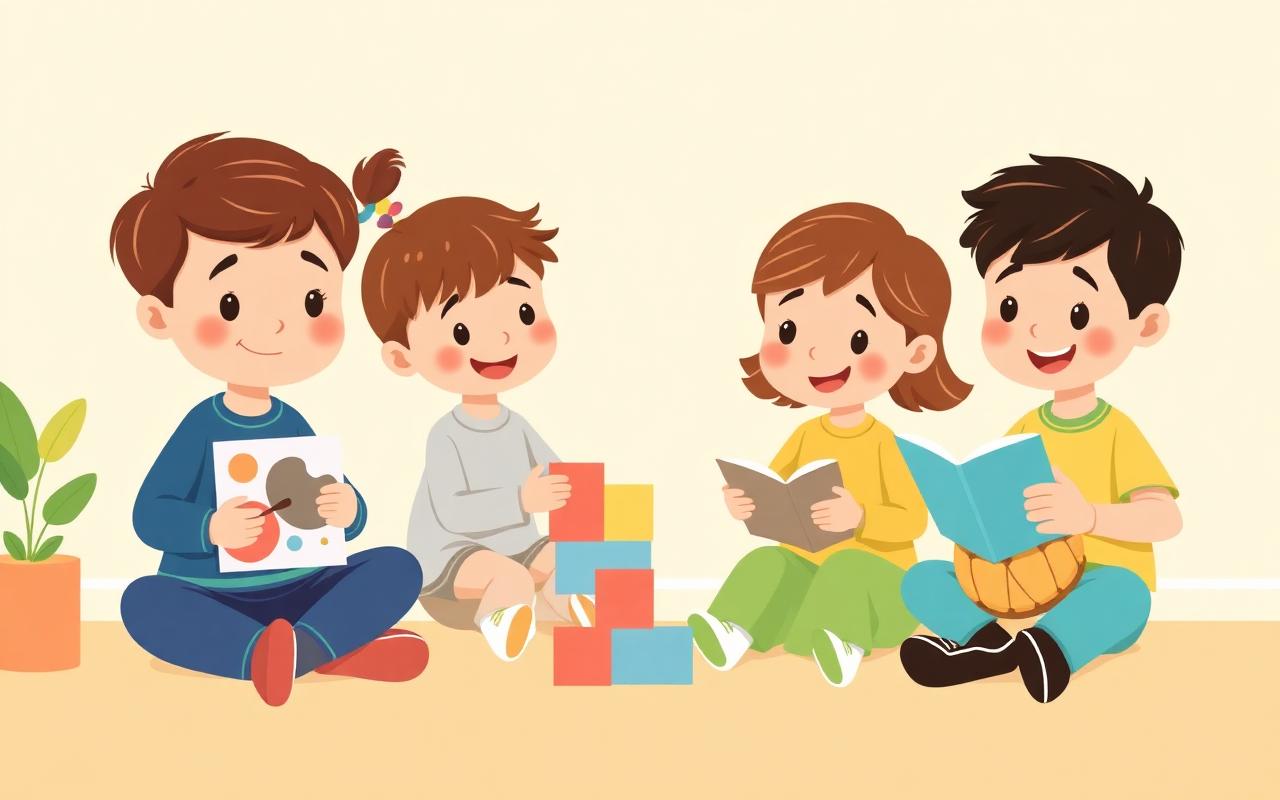
In project-based learning, kids learn by working on real projects, not just by reading and taking tests. Instead of only hearing about a topic, they do something with it. They might build a model, run a small experiment, create a presentation, or solve a real problem over days or weeks.
Along the way, they still learn the core skills, like reading, writing, and math. They just learn them by using them, which makes the whole thing stick.
Why it helps kids learn
There is a reason so many strong schools teach this way.
Kids remember what they do. It is one thing to read about how plants grow. It is another to plant a seed, track it, and figure out why one grew taller. Doing it plants the lesson far deeper than a worksheet ever could.
It builds real skills. Projects ask kids to plan, solve problems, work with others, and stick with something. Those are the skills that matter in middle school, high school, and life, not just on a test.
It keeps kids interested. Active learning is simply more fun than sitting still. Kids who are engaged learn more, and they walk in the door excited instead of bored.
And it reaches different kinds of learners. Some kids shine when they build, draw, or move, not just when they read. Projects give every kind of learner a way in. That ties closely to the idea of multiple intelligences, which shapes how we teach.
Does it mean less "real" learning?
Some parents worry that projects are just fun with no substance. Good project-based learning is the opposite. The fun is the wrapper. Inside, kids are practicing real reading, writing, math, and thinking, and often working harder than they would on a worksheet, because they care about what they are making. It works especially well in small classes, where a teacher can guide each child through the work.
How Highland teaches this way
At Highland Academy, hands-on, project-based learning is at the center of the day, from elementary through middle school. Lessons follow New Jersey Core standards, but kids learn them by doing. See our curriculum and philosophy for the full picture. The results back it up. 90% of our K-8 students have earned recognition for a standardized test score above the 90th percentile.
Want to see hands-on learning in action? Come visit a classroom. Book a tour of Highland Academy in Absecon, or call (609) 652-9500.
Where to go from here
Project-based learning helps kids understand more, remember longer, and enjoy school more, all while building the skills they will use for years. It is learning by doing, and it works.
Come see it for yourself. Book a tour or call (609) 652-9500.
Related posts
August 24, 2026
What Individualized Instruction Really Means (and How It Helps)
What individualized instruction actually means, how teachers do it, and why it helps kids who learn differently. A plain guide for parents.
August 22, 2026
What Is Choice Theory in Education? A Parent's Guide
A simple guide to William Glasser's Choice Theory, how it shapes a classroom, and why giving kids voice and belonging helps them learn.
August 20, 2026
Multiple Intelligences: How Kids Learn in Different Ways
A simple parent's guide to Howard Gardner's Multiple Intelligences, why kids are smart in different ways, and what it means for the classroom.