August 27, 2026 · Programs
What to Look for in a Preschool in South Jersey
What to Look for in a Preschool in South Jersey
Your child's first school sets the tone for everything that comes after. So it makes sense to choose carefully. If you are looking at preschools around Absecon, Galloway, Egg Harbor Township, or the shore towns nearby, here is what actually matters, and what you can skip worrying about.
Start with warmth and safety
For little ones, nothing beats a warm, safe place. On a visit, watch how the teachers talk to the children. Are they gentle, patient, and quick to comfort? Do the kids seem happy and relaxed? A preschooler who feels safe is a preschooler who is ready to learn. Check the basics too, like clean space, secure doors, and clear drop-off and pickup steps.
Look for play-based learning
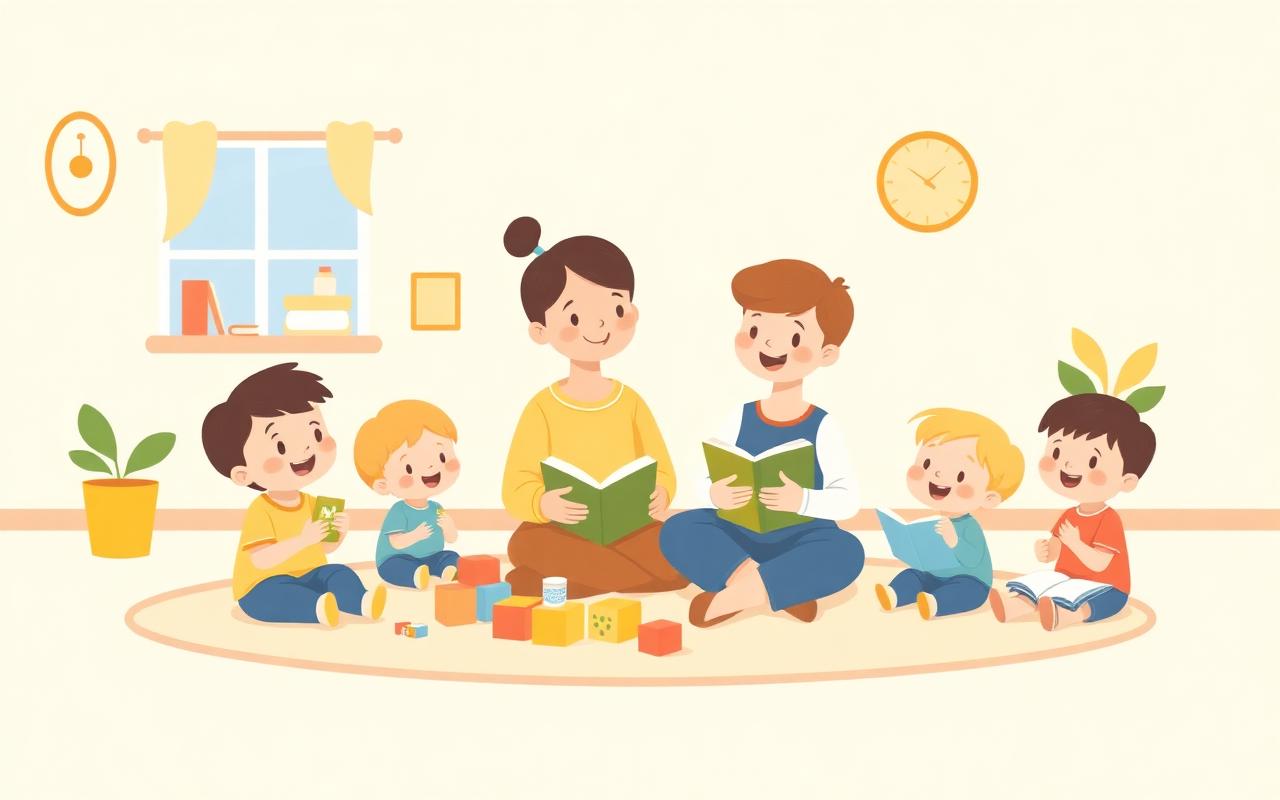
At this age, play is how kids learn. The best preschools do not drill toddlers with worksheets. They build learning into play. Blocks teach counting and balance. Story time builds language. Dress-up and pretend build imagination and social skills. Ask how the school teaches, and listen for play with a purpose, not just busywork or, at the other extreme, pressure to act like grade-schoolers.
Small groups and enough hands
Little kids need attention, and a lot of it. Small groups with enough adults mean your child gets noticed, helped, and comforted when they need it. Ask how many children are in a group and how many teachers are with them. This is the same reason small classes matter all the way up the grades.
A focus on getting ready for kindergarten
A good preschool is quietly building the skills kids need for kindergarten, without making it feel like work. That means early letters and numbers, yes, but also listening, sharing, following directions, and doing things on their own. If you are wondering what those skills are, our kindergarten readiness checklist lays them out.
A place your child will love
Do not overlook the simplest thing. Does your child seem happy there? A preschooler who wants to go, who talks about their friends and their teacher, is a preschooler who is thriving. Trust what you see in your own child.
How Highland's preschool works
Highland Academy's pre-school welcomes children starting at age 2½, with play-based learning that builds kindergarten readiness in a warm, small-group setting. It is the first step on a path that runs all the way through 8th grade, so your child can grow up in one steady, caring community. You can read more about our approach on our curriculum and philosophy page.
Looking for a warm, small preschool near you? Come see ours. Book a tour of Highland Academy in Absecon, or call (609) 652-9500.
Where to go from here
The right preschool is warm, safe, playful, and small enough to give your child real attention. Visit a few, watch how your child responds, and trust your gut. This first step matters, and a good one sets your child up to love school.
Come meet us. Book a tour or call (609) 652-9500.
Frequently Asked Questions
When should my child start preschool?
Many kids start around age 2½ to 3, but the right time depends on your child and family. Highland welcomes children starting at 2½.
What is play-based learning?
It means kids learn through purposeful play, like blocks, stories, and pretend, rather than worksheets. It fits how young children actually learn.
How do I know a preschool is good?
Look for warmth, safety, small groups, play-based learning, and a happy child. Visiting tells you the most.
Related posts
September 10, 2026
How to Choose a Summer Camp Your Child Will Love
Picking a summer camp near you? Here is what to look for, from safety to fun to the right mix of activities, so your child has a great summer.
September 7, 2026
The Real Benefits of a Strong Arts Program in K-8
Why the arts matter as much as academics for kids. How music, theater, and art build confidence, skills, and joy in the K-8 years.
September 5, 2026
Preparing Your 8th Grader for High School Success
How to help your 8th grader get ready for high school. The habits and skills that matter most, and how a strong middle school sets them up.